
"Ethiopian bean varieties"
3000 article(s) found

Characteristics of natural fermented, mellow and insolated Ethiopian coffee varieties taste manor boutique coffee bean flavor
Ethiopia has unique natural conditions suitable for growing all imaginable varieties of coffee. As a upland crop, Ethiopian coffee beans are mainly grown in areas between 1100 and 2300 meters above sea level, roughly distributed in southern Ethiopia. Deep soil, well drained soil, weakly acidic soil, laterite and soil are soft and contain
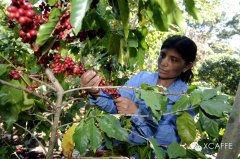
Red Honey Kiss 90 + rare good coffee treated with Ethiopian native red wine
Joseph Brodsky, the founder of Ninety +, discovered early that all the world's high-quality raw coffee beans originated in Ethiopia, and its different flavors of many different varieties are no less than 10, 000 grapes into 1 million different wines. Ninety percent of the raw beans come from the original varieties of Ethiopia, including Gesha of Manor Panama, which is also an Ethiopian heirloom (Heir).
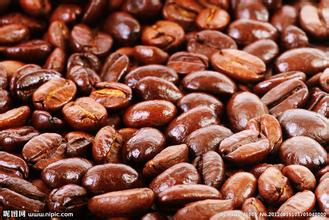
Flavor description characteristics of Ethiopian honey kiss coffee beans introduction to the taste of variety treatment in producing areas
The flavor description characteristics of Ethiopian honey kiss coffee beans the taste of Ethiopian coffee should be the only pollution-free green organic coffee in the world. Ethiopia still uses traditional planting methods to artificially care for coffee trees, and fertilizers are mainly deciduous leaves, withered grass and animal manure, replacing harmful pesticides and herbicides used on a large scale in other coffee-producing countries.

Native Ethiopian coffee native species Ethiopian coffee bean species
Professional coffee knowledge exchange more coffee bean information please follow the coffee workshop (Wechat official account cafe_style) in the global coffee, Arabica species account for about 70% of the total output, has important commercial value. Arabica species spread to all parts of the world from the Arabian Peninsula, and subspecies such as Tibica species and slope species appeared according to the route of transmission, followed by mutation and crossing.

Ethiopian coffee varieties with wine-like sour taste introduce boutique coffee beans
In Ethiopia, the grading and quality control system of coffee is divided into three levels: producer, regional and national. All coffee is inspected by local inspection agencies before leaving the country of origin, and then re-tested at the coffee inspection and grading centers in Addis and Diredawa to determine its quality grade. Coffee is graded before auction and sale, for all involved in production, acquisition,

Introduction to the flavor description and grinding characteristics of Ethiopian coffee varieties in producing areas
Grade of Ethiopian coffee: Ethiopian washed coffee Yega Chuefei G1 G2 Sidamo (Yirgacheffe, Sidamo) has the highest grades 2 and 3 (G2, G3), while sun-processed coffee in eastern Ethiopia is mostly grade 4 or 5 (G4, G5). In many cases, level 4 coffee is marked as level 5 in order to reduce taxes. At present, the classification is not uniform and there are

Grade Analysis of Ethiopian Coffee beans
Ethiopian coffee beans are divided into five levels. The first and second stages are washed beans. Washed beans Grade1 represents 3 defective beans per 300g raw beans, and Grade2 represents 4 defective beans per 300g. Gradc1 grade water washed beans are very rare and are generally difficult to buy. At present, all the washed beans exported from Ethiopia are Grade2 grade. The quality of sun-dried beans is Grade3 and Grad in order.

Introduction to the description of varieties and flavors in Ethiopian Coffee Manor with rich texture
The coffee market regulatory body in Ethiopia is the Ethiopian Coffee and Tea products Administration. There are two auction centers in the country, one in the capital Addis Ababa (Addis Ababa) and the other in Dire Dawa in eastern Ethiopia. Coffee growers bring fresh fruit or to private coffee processing plants or cooperative coffee washing stations

A brief introduction to the grinding scale of Ethiopian coffee beans by taste treatment method
A brief introduction to the Grinding scale of Ethiopian Coffee Bean characteristics and Flavor treatment; although the Ethiopian Yirgacheffe coffee is petite, it is gentle, delicate and sweet. As the hometown of coffee, thousands of years of planting history and processing tradition in Ethiopia have created high-quality washed Arabica beans. Light baking has a unique smell of lemon, flowers and bees.

Ethiopian Coffee Flavor description introduction of High-quality Coffee varieties in producing areas
Ethiopia is the birthplace of the famous Arabica coffee beans, and people have always maintained the tradition of harvesting wild coffee beans. The coffee garden at an altitude of more than 1500 meters has formed a unique coffee style after thousands of years of evolution and adaptation. Ethiopian coffee grown in the natural wild environment is called wilderness coffee, which retains the most primitive and natural taste of coffee beans.

Ethiopian coffee variety-Hara mocha coffee introduction Hara sun coffee beans how to drink?
Professional coffee knowledge exchange More coffee bean information Please pay attention to coffee workshop (Weixin Official Accounts cafe_style) Ethiopia is the first country where coffee was discovered. Nowadays, there are still many wild coffees collected and used by farmers in primitive forests. Ethiopia is a poor country with constant drought and civil war, but it is still the most important coffee in terms of coffee quality and yield.

Taste characteristics of fermented natural sun-cured Ethiopian coffee varieties introduction to the flavor of fine coffee beans in the manor
Ethiopia has unique natural conditions suitable for growing all imaginable varieties of coffee. As a upland crop, Ethiopian coffee beans are mainly grown in areas between 1100 and 2300 meters above sea level, roughly distributed in southern Ethiopia. Deep soil, well drained soil, weakly acidic soil, laterite and soil are soft and contain
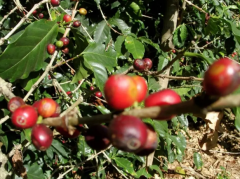
Top Coffee Bean-Ethiopian Double Champion Coffee Bean Aramco Delano Introduction.
TOH, the full name of the African Harvest Coffee Competition, is called the Double Champion. As the name implies, it means that you have won both the National Competition and the African Regional Finals. In the 2019/20 Ethiopian National, Amerilalo won first place and then emerged from the top of the African Regional Finals as a double winner. The winner, this coffee.

Flavor description of Ethiopian Yejia Snow Coffee beans introduction of varieties produced by taste treatment
Flavor description of Ethiopian Yega Coffee beans Coffee is the most important export cash crop and the main source of foreign exchange income in Ethiopia. Ethiopia's coffee exports account for about 3% of the world market, making it the eighth largest coffee exporter in the world. Coffee exports increased steadily from 58000 tons in 1990 to 1995-1996.

Ethiopian Coffee Bean Story Ethiopian Coffee Bean and Kenyan Coffee Bean Features Story
Professional coffee knowledge exchange More coffee bean information Please pay attention to coffee workshop (Weixin Official Accounts cafe_style) Ye Jia Xuefei, known for its fresh and bright taste and rich floral and fruity flavor. The washed Yerga Sherfie has the signature citrus lemon blossom and a taste of black tea. Even if it is a small partner who is initially exposed to single-item coffee, it can obviously feel its speed.

Varieties of Ethiopian coffee beans taste of manor region flavor description method grinding engraving degree introduction
The main producing areas of Ethiopian coffee are Harald in the east, Djimmah in the southwest and Sidamo in the south. Yirgacheffe, with its unique aroma, comes from the northwest of Sidamo province.

Introduction to the method of flavor description of Ethiopian Ethiopian Sidamo Lion King Coffee Bean
Ethiopian Ethiopian Sidamo Lion King Coffee Bean Flavor description Variety introduction Kochere is a small production area located about 25 kilometers southeast of Yegashifi. The coffee beans harvested come from local coffee farmers and are composed of a large number of small coffee farmers. The average cultivation area of these small farmers is about 1 hectare and the planting altitude is high.

Taste of Ethiopian Rosa Coffee introduce the flavor characteristics of Ethiopian Rosa Village Coffee
Rose summer village GeshaVillage GoriGesha forest, where rose summer seeds were first found. They collected seeds from native rose trees, and after careful screening, they sent the seeds to professional institutions for genetic testing to determine that they belonged to the original collection of Panamanian rose varieties.

Ethiopian coffee beans | Ethiopian coffee producing areas | Yega de Meso red wine washing
Professional coffee knowledge exchange more coffee bean information please follow the coffee workshop (Wechat official account cafe_style) Ethiopian coffee beans Yega Sheffield de Meso Q1 red wine washed varieties: native flavor taste: passion fruit, litchi, white tea, white musk WAYNE GREEN BEAN the first wave of ultra-low-key, intergenerational exclusive treatment! I know that all of you have been

Variety characteristics of naturally fermented sun-cured Ethiopian coffee introduction to the flavor of fine coffee beans in the manor
Ethiopia has unique natural conditions suitable for growing all imaginable varieties of coffee. As a upland crop, Ethiopian coffee beans are mainly grown in areas between 1100 and 2300 meters above sea level, roughly distributed in southern Ethiopia. Deep soil, well drained soil, weakly acidic soil, laterite and soil are soft and contain